Start with the number nobody puts in a headline. Wages and salaries fell to 54.7 percent of national income in the second quarter, the lowest share ever recorded; for six decades before 2008 the figure sat at 60 percent or above. In the same quarter corporate profits rose 9.1 percent and passed 12 percent of GDP, a record on the other side of the ledger. Those two records are the same fact, seen from opposite ends.
The mechanism is not mysterious, and the Federal Reserve's own minutes describe it. Average hourly earnings were up 3.5 percent over the twelve months to June. Prices, on the Fed staff's estimate, were up 3.7 percent. Work harder, earn more, buy less: that is what a negative real wage is, and it is what a supply shock does when nobody intervenes to decide who absorbs it.
An economy can expand and still take from you. Fifty-four point seven percent is what that looks like once it has been written down.
The household accounts confirm it from the other direction. The Bureau of Economic Analysis reported that personal income rose 0.4 percent in July while spending rose only 0.2 percent, leaving the saving rate at 3.0 percent — a rate that describes people running down what little cushion they have, not people rebuilding one. Elizabeth Pancotti of the Groundwork Collaborative read the same release and said it plainly: “Despite his bluster, Trump has built an economy for billionaires while working families are left in the dust.”
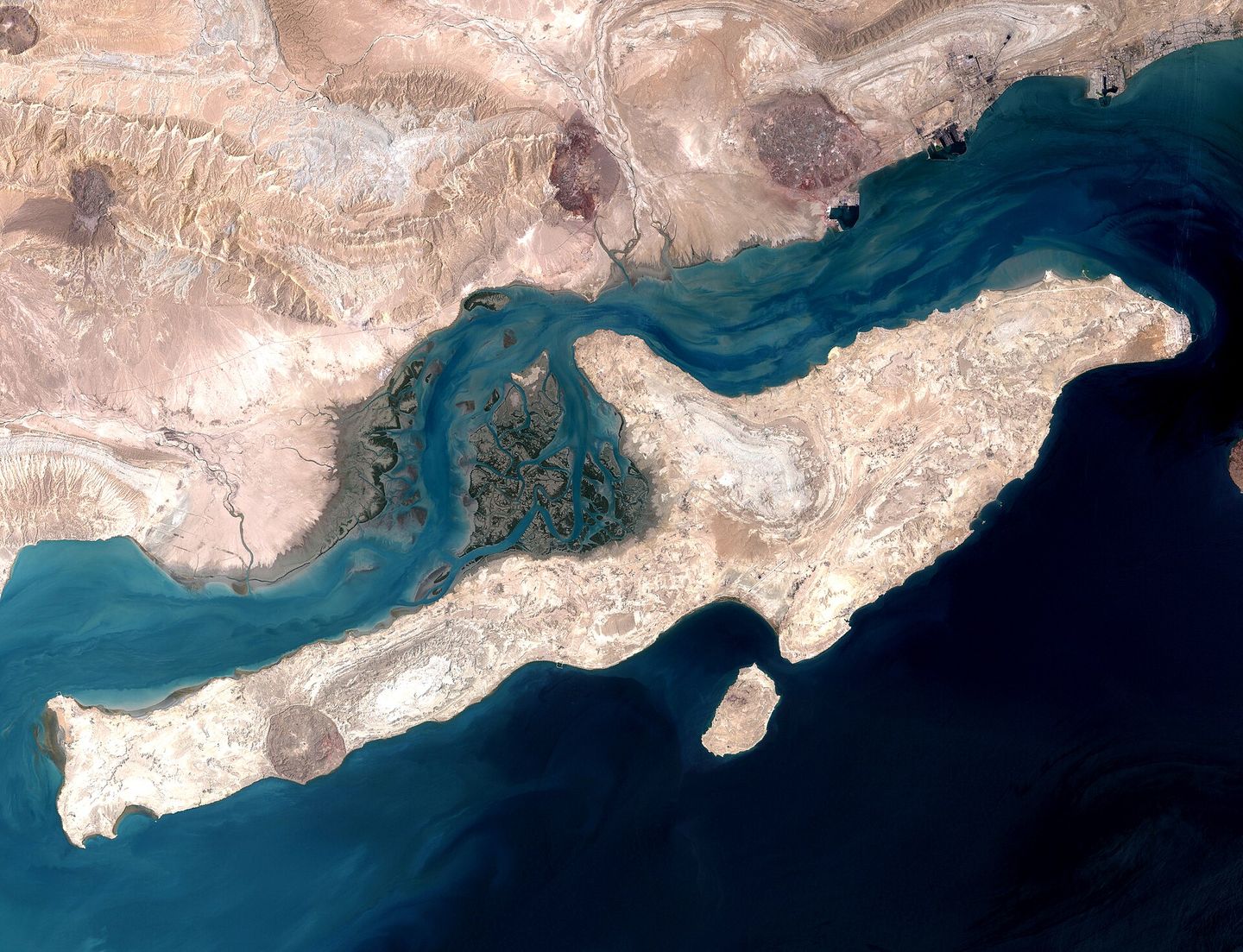
The reply from the other side is that none of this was chosen — that a strait closed, oil moved, and everybody suffers together. Half of that is true. The Fed's staff noted that oil prices “ended the period higher following the escalation of tensions in the Middle East”, and no distributional argument makes a barrel cheaper. But the shock arrived at a country, and a country decides who carries it. Profits at a record and wages at a record low is not weather. It is an outcome.
This is the oldest sequence in modern economic history, and Jacobin traced it again on 30 August: war, currency disorder and an oil price fuelled the inflation of the 1970s, and workers and the welfare state were handed the blame. What followed was not a reckoning with fuel dependence but two decades of arguing that pensions, health services and wage floors were unaffordable. The bill for the war was paid, in the end, by the parts of the state that had nothing to do with it.
The concession this reading owes is that not every price rise is a margin grab, and treating firms as a single villain gets the analysis wrong. Refiners really are paying more for crude. Hauliers really are paying more for diesel. A windfall levy aimed at everything hits the wrong people and produces the shortages it was supposed to prevent. Precision is not squeamishness here; it is the difference between a policy and a mood.
But precision points somewhere. Tax the profits that rose because the price of a barrel rose, not those that rose because somebody built something. Put the money into fuel and energy bills, which is where the shock is actually landing. And notice the deeper point the quarter is making: an expansion whose price level is set by whether a navy can keep one waterway open is not a strong economy. It is a dependent one, and no interest rate decision will change that.