The United Nations humanitarian office reported on 28 August that 47 Palestinians had been killed and 176 injured in Gaza in the previous fortnight alone, on figures from the territory's health ministry. Its running total since the ceasefire was announced on 10 October 2025 stands at 1,303 killed and 4,336 injured. Ninety-four per cent of the population — some 1.98 million people — still require shelter assistance. This is what the word ceasefire is currently being asked to describe.
The West Bank is where the direction of travel is clearest. Human Rights Watch counted 1,835 settler attacks in 2025 and roughly 190 a month across the first four months of 2026, with nearly 700 Palestinians driven out of nine communities in that period. Sarah Sanbar, its acting Israel and Palestine researcher, said in July that “years of lawlessness and impunity for attacks has turned the West Bank into a powder keg waiting to explode.”
The instruments exist. Export licences are revocable in an afternoon. What is missing is not a mechanism but a decision, and the absence of a decision is itself a policy.
The legal machinery moves at a speed that is worth reading as a choice rather than an accident. Israel filed its counter-memorial in South Africa's genocide case in March, raising objections to the court's jurisdiction. On 21 May the International Court of Justice gave South Africa until 22 November 2027 to reply and Israel until 22 May 2029 to file its rejoinder. Pretoria's response noted that “self-defence is not a defence to genocide, there is none.”
Set that timetable beside the fortnightly casualty bulletins and the shape of the arrangement appears. A case that will be argued at the end of the decade is not a restraint on conduct this month; it is an answer to the question of what is being done, and it costs the states that point to it nothing at all. Meanwhile the transfers that make the conduct possible have not been interrupted.
What is interrupted instead is small and carefully chosen: asset freezes on a few settler bodies, travel bans on their directors, statements of concern about outposts. Meanwhile Human Rights Watch records that after the July killings the Israeli government announced the redeployment of five military battalions to the West Bank and a commitment to accelerate the regularisation of outposts and to establish new ones. Sanction the symptom, subsidise the mechanism.
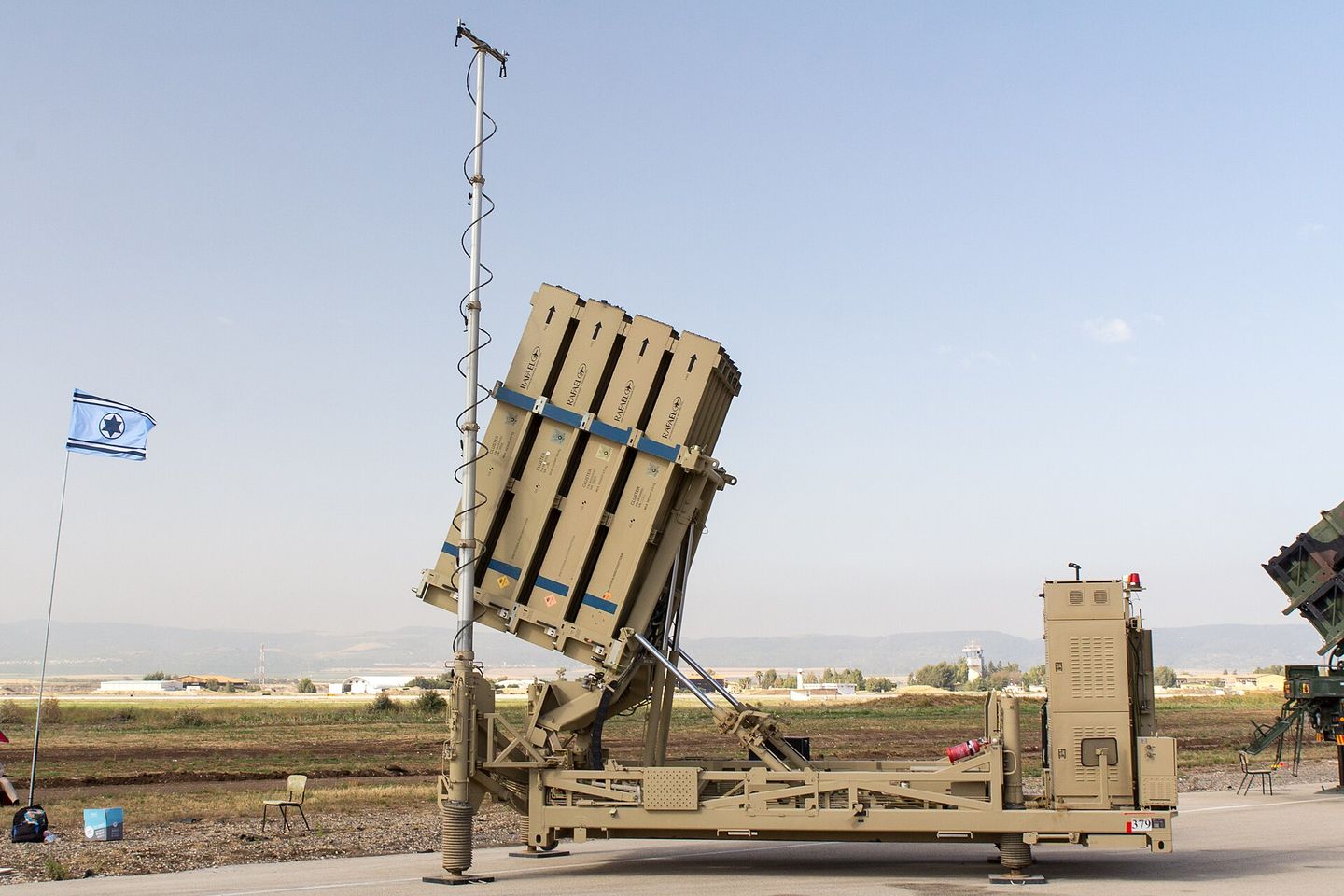
The public is well ahead of this. Data for Progress, polling 1,217 likely voters between 3 and 7 August, found 61 per cent opposed to the defence bill provision integrating Israeli weapons firms into American procurement, 51 per cent saying Israel gains more from the relationship against 12 per cent saying the United States does, and 49 per cent saying Donald Trump is too supportive of the Israeli government. Cavan Kharrazian of Demand Progress called the result “a flashing red warning sign for any member of Congress who supports the defense authorization bill.”
Nothing in that requires anyone to adopt a new theory of the conflict. It requires only that the ordinary law governing arms exports be applied to one recipient as it is applied to every other, and that the answer to what is being done stop being a date in 2029. Partial suspensions with carve-outs wide enough to fly a fighter through are not that. Eleven months of fortnightly casualty bulletins have produced asset freezes on activists and a filing schedule; the gap between those two facts is the finding, and it is not a difficult one.