The coalition had promised a referendum by 2027. It moved to August 2026, and the reason was reported plainly at the time: tariffs from the second Trump administration, and the threat to take Greenland one way or the other. A question about fisheries, currency and lawmaking was rescheduled around an external emergency, on the reasonable expectation that frightened electorates move towards larger structures.
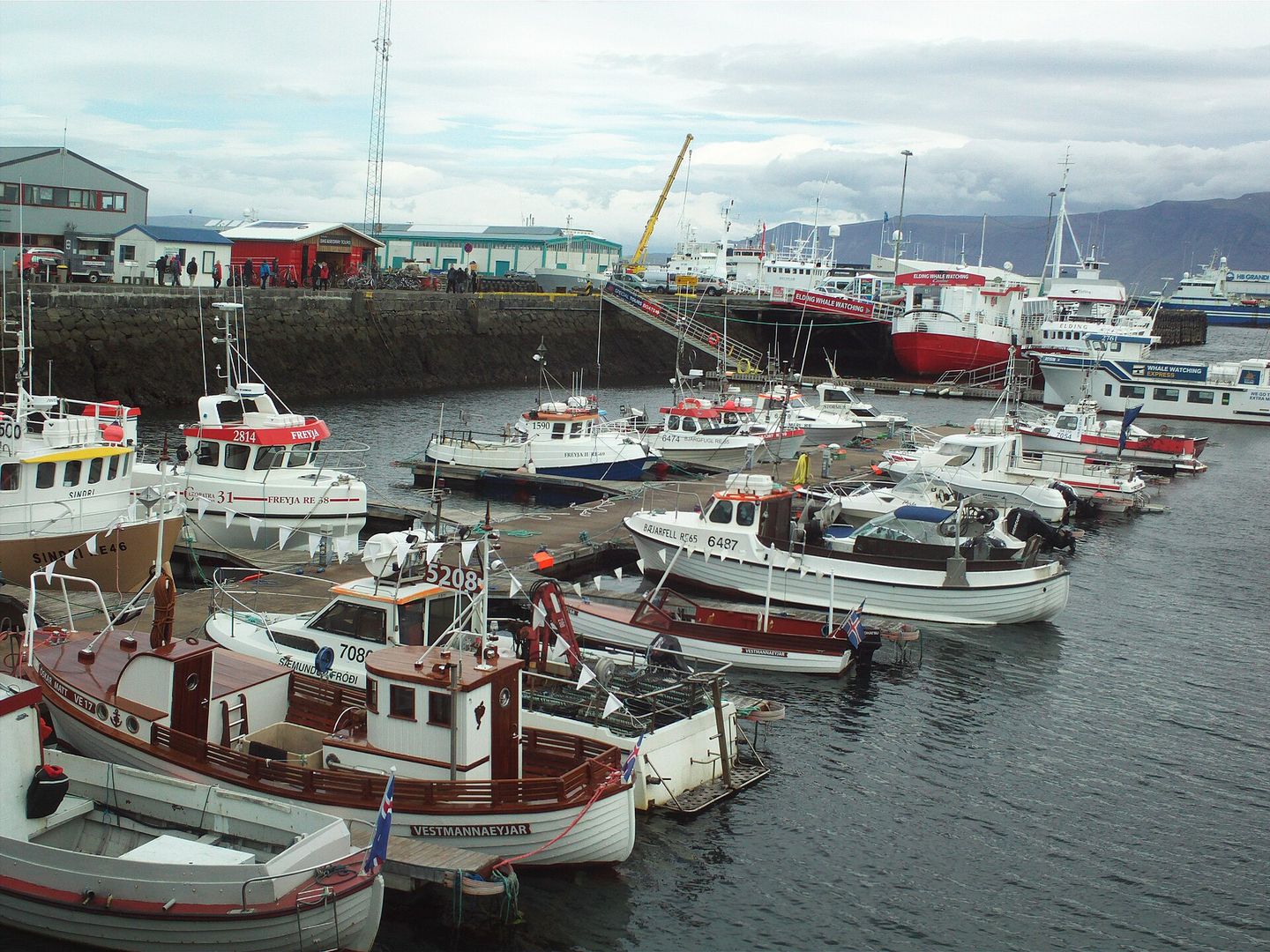
They did not. Eiríkur Bergmann, who is no partisan of the No campaign, records that the geopolitical context never substantially entered the public debate at all. Icelanders spent the summer arguing about interest rates, fishing rights and the cost of living — that is, about the actual contents of the treaty they were being asked to open. The alarm was sounded and the electorate declined to hear it as an argument, which is not the same as failing to hear it.
An emergency that requires you to stop asking what you are signing is not an argument for signing. It is an argument for reading it twice.
Look at what the No campaign was up against. The prime minister, the foreign minister, two of the three governing parties, the European Movement, the expert commentariat, an accelerated timetable and a live security crisis on the doorstep. Against that: one industry, one former president, and three opposition parties. Turnout was 82.5 per cent and the answer was no. Whatever else that is, it is not a country that was manipulated, and it is not a country that failed to understand what was being offered.
What the No campaign said was narrow and it held. Haraldur Ólafsson of Heimssýn put the whole of it in one sentence: even if there were a temporary period in which Iceland kept control of its fisheries, nobody can know what the Union might do with that in five or ten years. This is not a claim about Brussels' bad faith. It is a claim about where a power sits once it has been transferred, which is the only question sovereignty has ever been about.
Brussels' own reaction is the most useful evidence of the week and has been almost entirely overlooked. The Commission said it respects the choice, and that Iceland remains a close partner. Nothing else. No warning about isolation, no revision of the trade relationship, no consequence of any kind. Every claim that the existing arrangement was fragile, that the alternative to membership was exposure, was answered within hours by the Union itself, in a sentence.
It is worth asking why Iceland was wanted so badly. Officials said it plainly enough: a wealthy, orderly, uncontroversial member would have made enlargement easier to sell, and could have been paired with Montenegro to move the queue along. That is a use, not a welcome. A country invited principally to serve as a demonstration to somebody else's electorate is entitled to notice, and to price the invitation accordingly.
Marine Le Pen called it a reminder that another Europe is possible, one of sovereign nations cooperating voluntarily. Nigel Farage congratulated Iceland on keeping its independence. Both are entitled to the result, and neither did any of the work: 82.5 per cent of Icelanders turned out and settled it themselves, against their own government, in a country of under four hundred thousand people that has spent a thousand years being told it is too small to manage alone.