Take the ledger first, since it is the part nobody in the administration reads aloud. As of June the war had cost the United States an estimated $113.3 billion. Nineteen American soldiers and one contractor are dead and 757 service personnel wounded. The request that went to Congress for the coming fiscal year asks $1.5 trillion for the Pentagon. Six months in, no official document states what condition would end the deployment, and no member of the cabinet has been made to say one aloud under oath.
The unstated objective was that the Iranian state would come apart. It did not. Ali Khamenei was killed on the first morning; within nine days the Assembly of Experts had named his fifty-six-year-old son to the office. The system did not collapse under decapitation, it inherited — which is what systems of that kind are built to do, and which anyone who had studied it rather than sloganeered about it would have said in advance.
A war whose end state nobody will write down is not a policy. It is a subscription.
The country worked this out faster than its representatives did. Sixty-eight per cent told the Washington Post and Ipsos in July that the war had not been worth fighting, against twenty-eight who said it had. A University of Maryland survey the same month found Americans judging its effect on American interests negative by fifty-eight to twelve. That is not a partisan split. It is a settled national verdict being ignored.
In July the House passed a war powers resolution 214 to 208, four Republicans crossing. It has no force of law and never would have. That is the constitutional position six months into a war of this size: the chamber that is supposed to declare wars may pass a message about one, and the message is filed. Nobody voted to begin this, and the vote to end it was drafted so that it could not.
The trap is now the argument itself. As the managing editor of The American Conservative put it at the six-month mark, "When you give and take in peace, that's a deal; when you give and take in war, that's a capitulation." Which is true, and which is the mechanism: every exit gets priced as surrender, so the war continues because leaving would look like losing. That is the oldest reason wars continue.
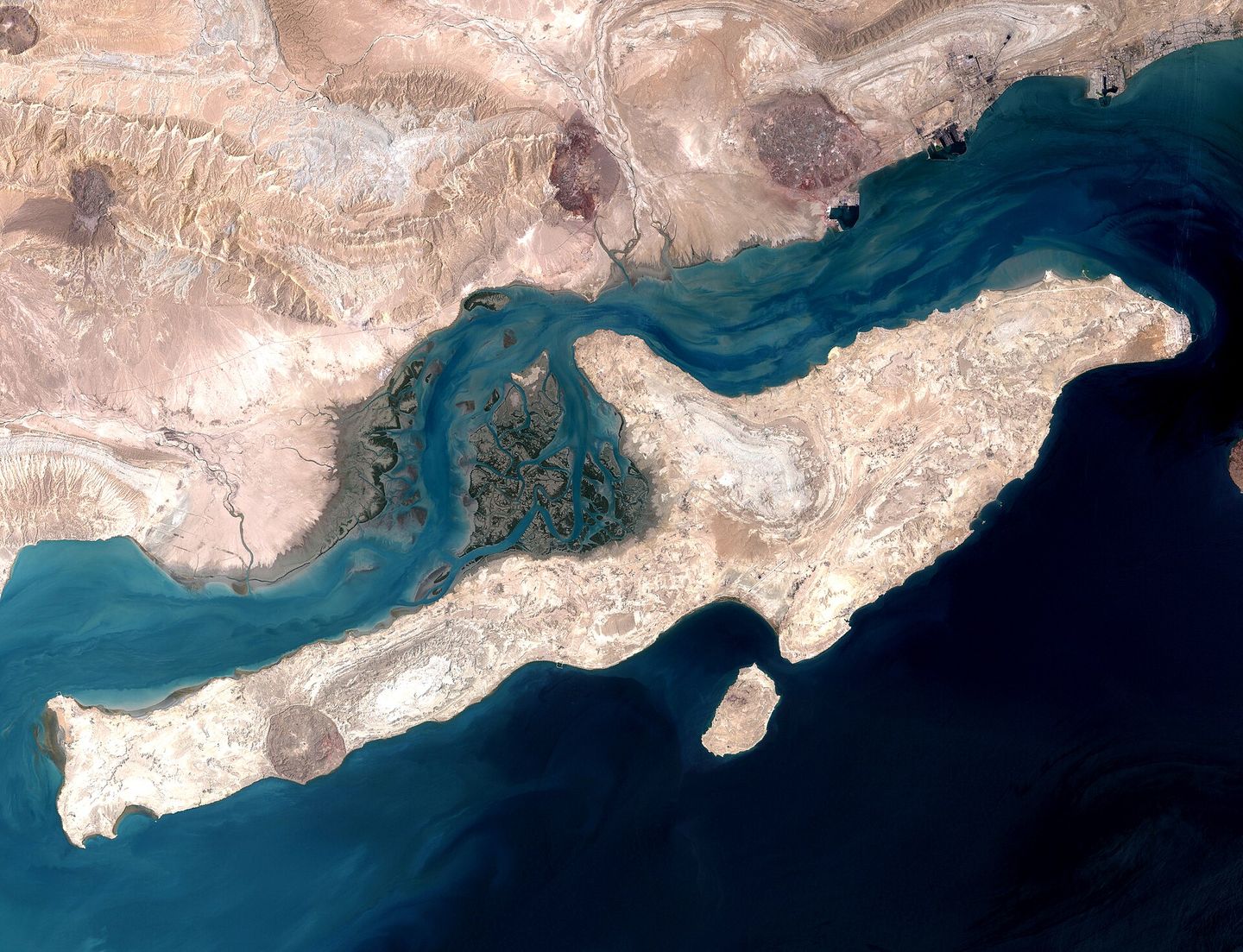
There is an exit that is not a rout, and it is being described by people this administration does not read. Trita Parsi has pointed at Eisenhower in 1956: the American interest in a strategic waterway has historically been less about who administers it than about whether ships pass freely, predictably and without discrimination. Accept an arrangement that delivers that, and stop paying for the version that also delivers ownership. That is not dovishness. It is the distinction between an interest and a grudge.
Meanwhile the costs land where they always land. Qatari gas exports are down ninety-six per cent since the war began. Fuel is dearer in every American town that furnished the wounded. The people who were told this administration would be the end of foreign adventures have instead been handed one with no name for its own victory condition, and are now told that noticing it is disloyalty. The bill will arrive in the midterms, itemised.