The sequence is not disputed. At the third round of indirect talks in Geneva on 26 February, Iran's negotiators offered to blend down their sixty per cent stockpile, cap enrichment at twenty per cent on no more than thirty IR-6 machines, accumulate no enriched gas, and accept broad agency oversight. Washington's position was zero enrichment, dismantlement of the facilities, and removal of the material. Oman's mediators reported substantial progress and set a technical session for 2 March. The strikes began on 28 February.
What can be measured since is nothing. The last figures the International Atomic Energy Agency actually verified date from June 2025: 440.9 kilograms enriched to sixty per cent, 184.1 kilograms to twenty, 6,024.4 kilograms to five. No inspector has been inside the attacked sites since. The agency has found no evidence of weaponisation, and it is careful to say that this is not the same thing as having looked.
A programme nobody can measure has not been stopped. It has been hidden, and at our own insistence.
The agency's director general has kept the door open in public, saying of access to the enrichment sites that "whether this happens today, after tomorrow, or in one week, or in 10 days, it's important but not essential. This is going to happen." Two months of saying so has not put a single inspector inside a damaged hall, because Tehran has attached that access to a final agreement which does not exist.
Set against that absence: more than three thousand four hundred civilians killed by the UN humanitarian office's count and over thirty-three thousand injured; nineteen American soldiers and a contractor dead, with 757 service personnel wounded; and a cost to the United States estimated at $113.3 billion by June. Those are the prices of a policy, and a policy is entitled to be judged against the objective it named for itself.
The legal objection is not a technicality either. More than a hundred United States-based international law scholars, among them Oona Hathaway and Harold Koh of Yale and Philip Alston of NYU, signed a letter holding that force is lawful only in self-defence against an actual or imminent armed attack, or when the Security Council authorises it, and that neither condition was met here. In July the House passed a war powers resolution by 214 votes to 208. It carries no force of law.
The strongest case on the other side deserves stating plainly: the February offer might have been insincere, a way of buying months. That is exactly right, and it is exactly the argument for verification. Sincerity is not something anyone reads off a negotiating text; it is something an inspection regime is built to test over years. The instrument that would have tested it is the one that was removed.
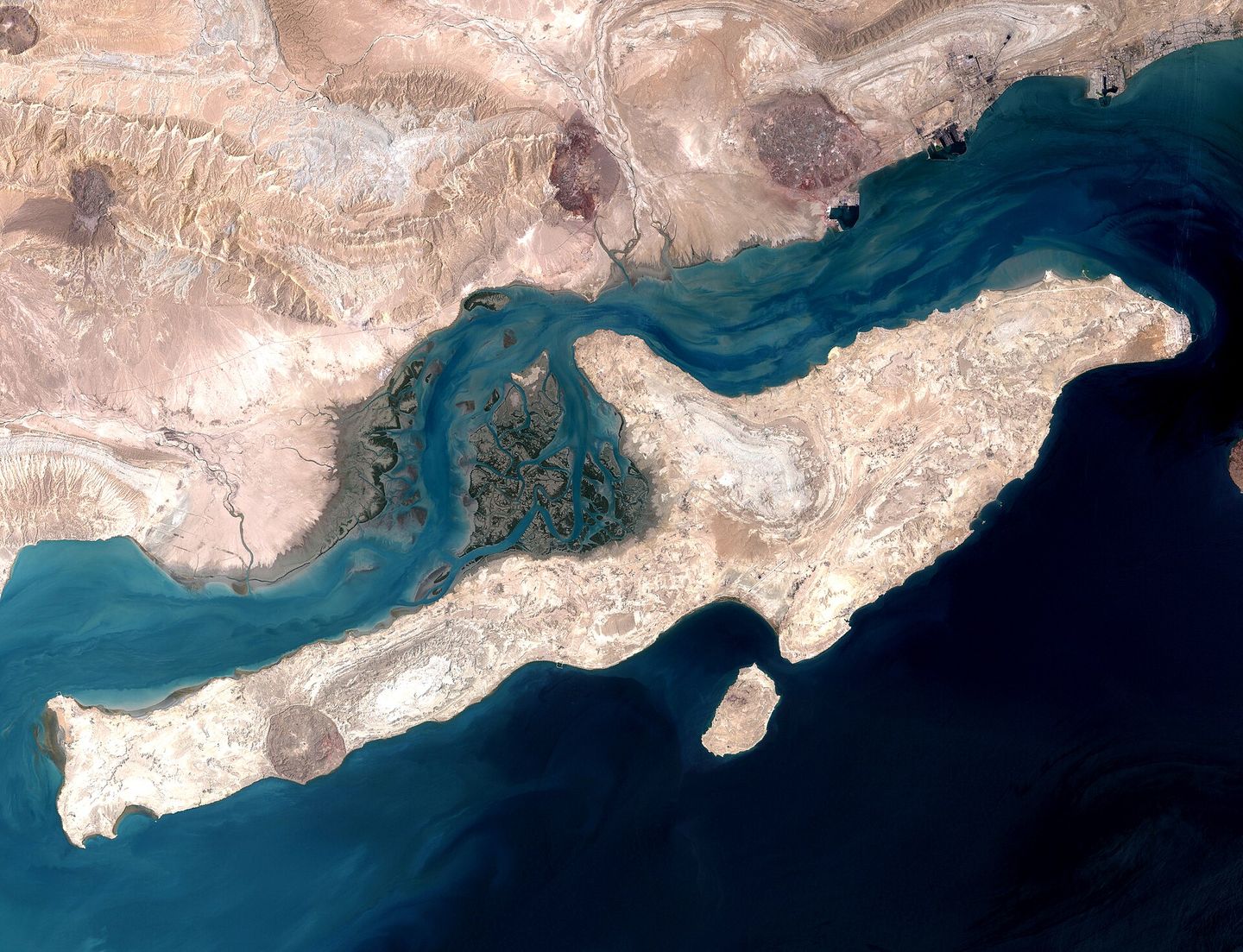
A settlement now needs the same three things it needed on 27 February — inspectors at the damaged sites, a full accounting of the enriched material, and passage through the strait that nobody has to grant — plus six months of dead, a wrecked Iranian economy and a leadership less able to sign anything at all. That is what the alternative to the talks turned out to cost. Sixty-eight per cent of Americans told the Washington Post and Ipsos in July that the war had not been worth fighting.