Hold the two dates next to each other, because everything else is downstream of them. On 26 February, at the third round in Geneva, Iran offered to blend down its sixty per cent material, to enrich no higher than twenty on a few dozen machines, to hold no enriched gas in stock, and to accept broad agency oversight. Oman's mediators reported substantial progress and fixed a technical session for 2 March. On 28 February the bombs arrived, and the Supreme Leader was killed in his own capital.
Whatever else that sequence establishes, it establishes what a negotiation with Washington is presently worth. Within nine days the Assembly of Experts had named a successor and the state kept functioning, which was not the outcome anyone in Washington had briefed. Six months later the country is still here, still governed, and still declining to sign what was demanded of it on the first morning. That is not a boast. It is the only fact the last six months have actually settled.
A country bombed while it is negotiating learns exactly what negotiation is worth.
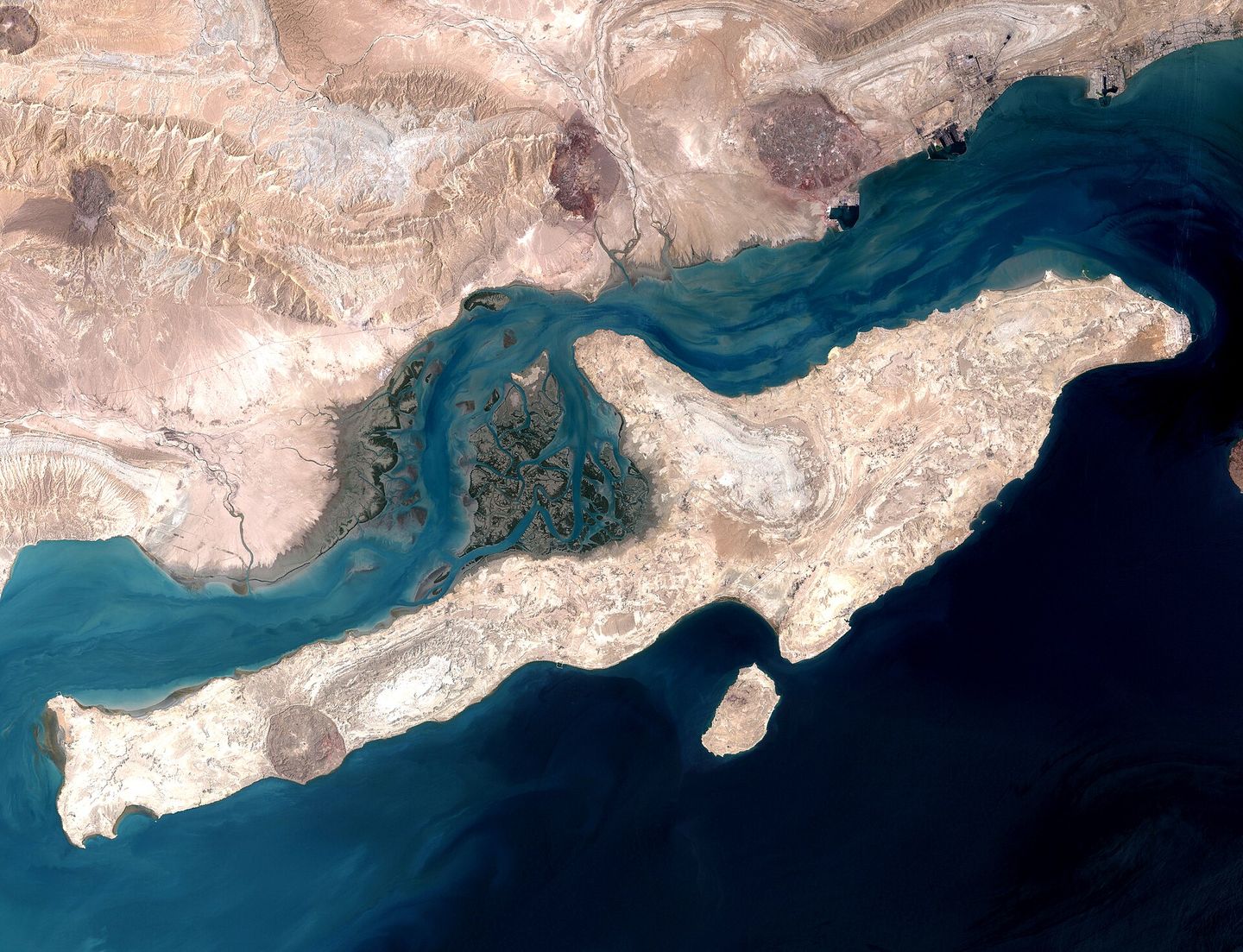
The strait is not a bargaining chip belonging to everyone. Its management is a sovereign matter, and the arrangement announced on 26 August is Iran's proposal, made with a neighbour rather than with a fleet: a temporary corridor seven miles wide, with mine-clearing carried out jointly. The deputy foreign minister was precise about its standing — "the agreed-upon transit route with Oman is a temporary route." A permanent settlement of the waterway is a matter for a treaty, not for a threat.
What the economic campaign has actually produced is a fuel queue. The monthly ration has been cut to fifty litres. The country burns about a hundred and thirty-five million litres of petrol a day and can currently refine about a hundred and twenty-one million, because imports stopped when the ports were blockaded. Subsidised fuel still sells at fifteen thousand rials a litre against a liberalised price of eight hundred and seventy-two thousand. This is what a blockade looks like from underneath it.
The foreign minister's formulation at the six-month mark is the government's actual position and not a slogan: "Putting diplomacy back on track isn't impossible. It hinges on US understanding of one simple fact: pressure doesn't work." No version of this ends without a written end to the war, an end to the blockade of Iranian ports, and passage arrangements that are agreed rather than announced.
On the inspectors: the sites that were attacked are military positions and crime scenes before they are anything else, and access to them belongs inside a final agreement, alongside the lifting of the measures. Natanz was struck again on 21 March, a safeguarded facility under an agreement Iran had not left. The party that bombs a monitored site is not well placed to complain that monitoring has become difficult.
The charge that Iran began this is answered by the calendar. What is true is that Iran has used the one lever geography gave it, and has used it hard, because the alternative on offer was capitulation on the first day. Six months on, this war has cost the country its head of state, thousands of civilians and a currency past two million to the dollar — and the demand on the table is still the one refused in Geneva.