On 12 August the president reported the results of an operation that had been running quietly since January. "Over the course of the operation, 745 square kilometres of territory were liberated. Twenty-six villages in the Dnipro, Donetsk, and Zaporizhzhia regions were returned to Ukrainian control." The briefing came from the commander-in-chief, Mykhailo Drapatyi, the chief of the general staff, Ihor Skybiuk, and the air assault commander, Oleh Apostol. Russian losses in that sector alone: at least 9,550 killed and more than 6,600 wounded.
Set that against where the year began. On 1 January the DeepState analysts put occupied territory at 116,165 square kilometres, 19.25 per cent of the country, after a 2025 in which 4,336 square kilometres were lost — Donetsk region at 78.1 per cent occupied, Luhansk at 99.6, Zaporizhzhia at 74.8. Seven hundred and forty-five square kilometres does not undo that. It does something else, which is harder to buy: it shows the arrow can point the other way.
The lesson our partners keep declining to draw is that momentum here is perishable. It was bought with men who are not replaceable and with drones produced faster than they can be funded, and it lasts exactly as long as the supply does.
We are not asking anyone to believe in us. We are asking to be given a delivery date we can plan a war around.
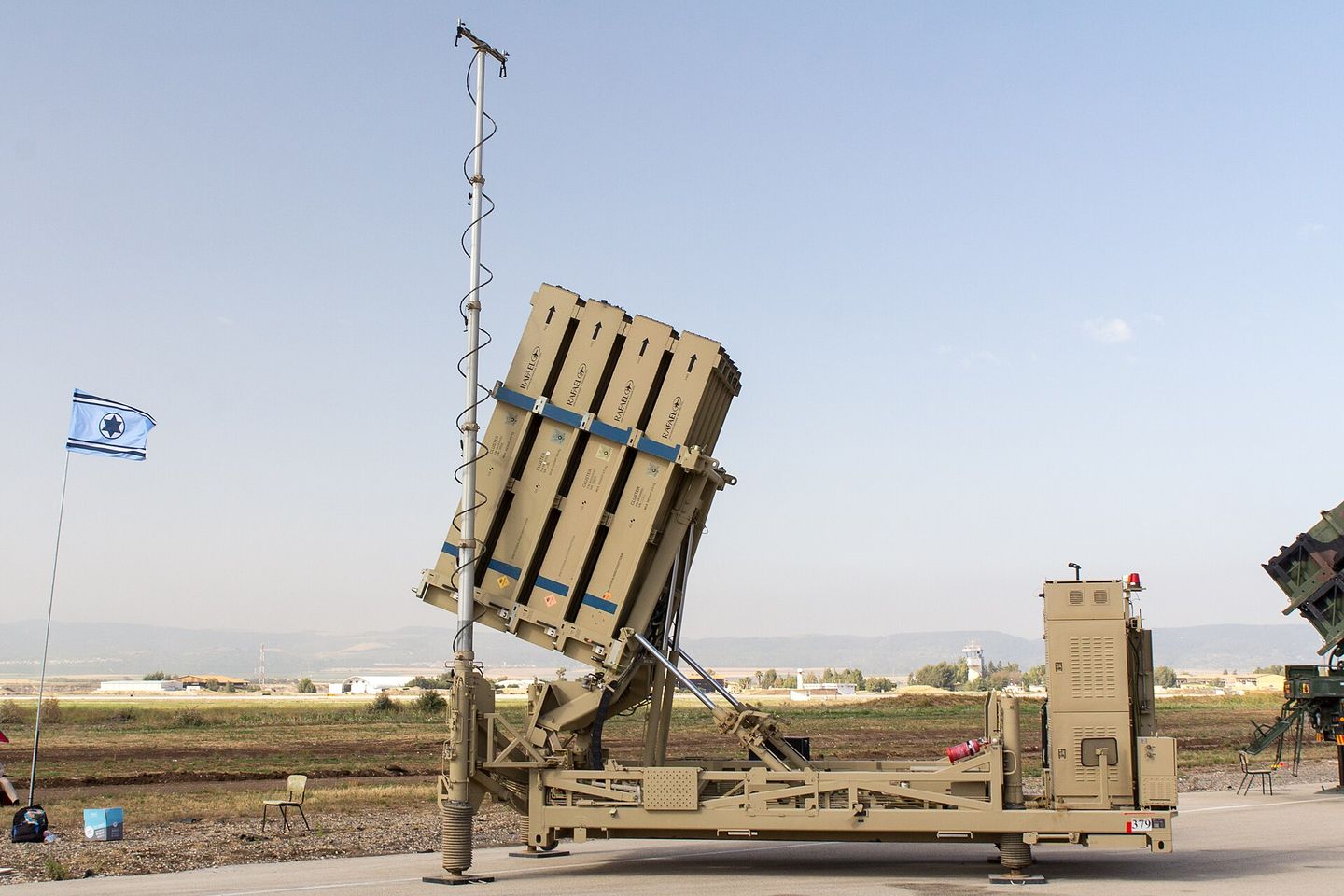
The gap is now stated in public. At the Coalition of the Willing summit on 24 August, with thirty of thirty-seven participating countries in the room, the shortfall for the Defence Forces in 2026 was put at $27 billion — $20 billion of it soldiers' pay, the rest supplies, fuel and ammunition for the first quarter of 2027. The operational requirement for the winter was stated as at least 300 Patriot PAC-3 interceptors by October. Against that: a €6.1 billion European tranche, and Norway's 85 billion kroner for 2027.
What is actually changing is the shape of the help rather than its size. The missile maker MBDA has been cleared to hand over technical documentation for cruise-missile components so that assembly can be done here, in dispersed and underground plants. Sweden's Gripens arrive from 2027. A joint programme is chasing an interceptor under a million euros, four to six times cheaper than the American round it would replace. That is the model: not parcels, but licences, joint ventures and a place in European production.
There is a second front, and it is domestic. A dismissed defence minister called on 18 August for a wartime election; the constitution suspends elections under martial law, and has since February 2022. The president's answer was blunt: "Elections right now are a tsunami for the state that will split Ukraine." He put his own purpose as narrowly as it can be put — "My strategy is to bring the country to the end of the war and preserve an independent and sovereign state."
Both things can be true. A country at war needs its politics back, and a country with a fifth of its territory occupied, millions of its voters displaced and a front line running through three regions cannot hold a credible ballot on demand. The people arguing that Ukrainian democracy would be improved by a vote administered under bombardment are, without exception, people who will not be voting in it. The invoice we are sending is real. Every alternative to paying it costs Europe more.