President Xi Jinping arrived in Bishkek on Sunday, and tomorrow the Shanghai Cooperation Organisation opens the summit of its twenty-fifth year. Ten members, two observers, fifteen dialogue partners, a development bank still to be built and a railway to Uzbekistan still to be finished: it is a slow institution, and it is the only forum in which Moscow, Delhi, Islamabad and Tehran sit at one table without an outside chairman.
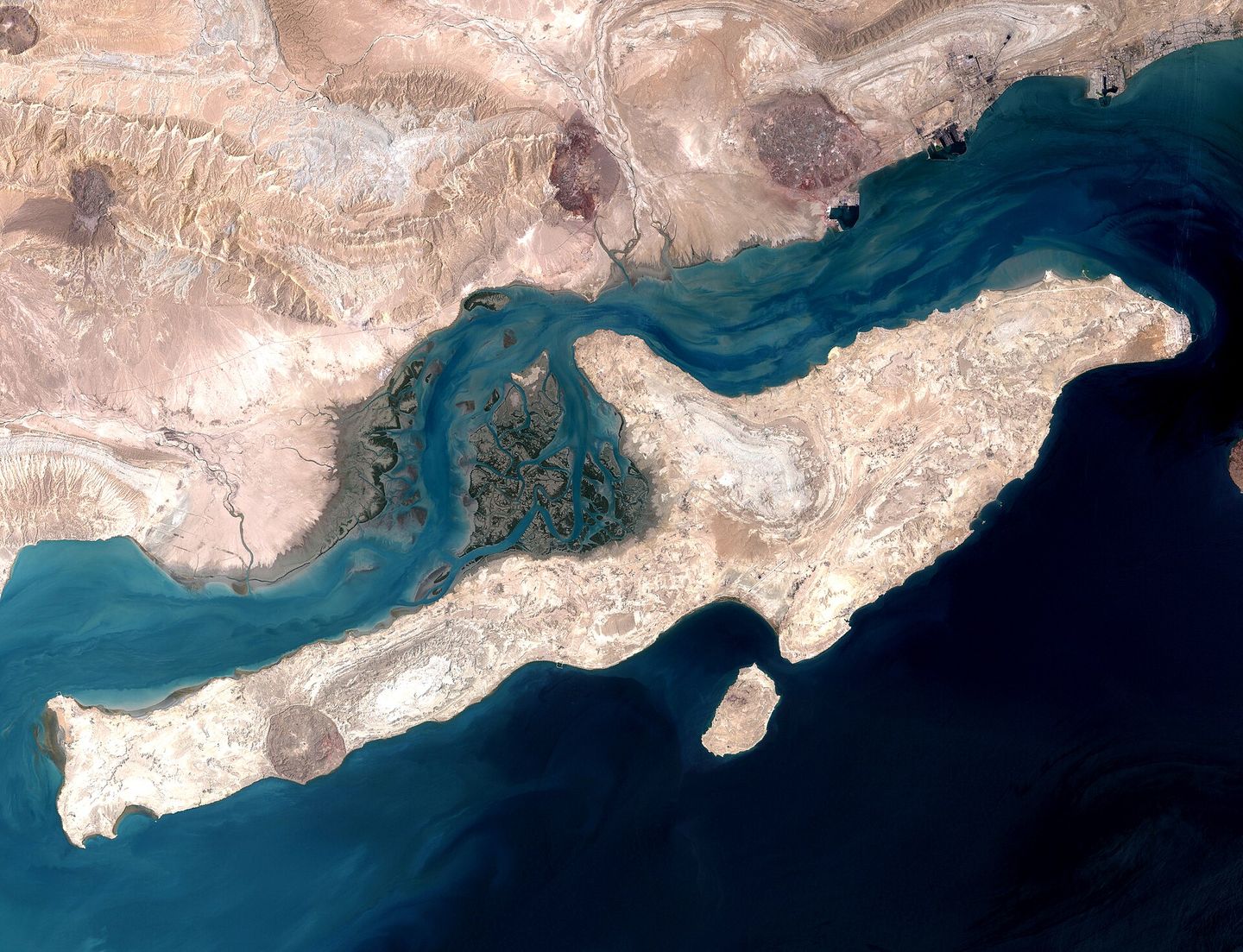
Set that beside the alternative on display since 28 February. A war opened without a Security Council mandate has closed the waterway that carries a fifth of the world's traded oil, and six months later the powers that opened it cannot reopen it. China proposed a five-point framework with Pakistan, pressed for a ceasefire, opposed a resolution that would have put warships in the strait under a flag of enforcement, and brought its own people home.
That is the whole of the accusation and the whole of the answer. Foreign Minister Wang Yi set out the position at the Security Council in May, and it contains nothing any signatory of the Charter could object to: sovereignty and territorial integrity respected, civilians protected, shipping lanes and energy infrastructure secured, non-proliferation rules observed. He also said something about the pace of it that the impatient should read twice.
It takes more than one cold day to freeze a river three feet deep, and resolving long-standing grievances cannot be done overnight.
In June the State Council Information Office published a white paper, More Just and Equitable Global Governance, setting out what China actually asks for. Not the overthrow of the existing system but its reform around the United Nations: sovereign equality, genuine multilateralism, real representation for developing countries. Building such a system, the paper says, is a shared vision long pursued by people from across the world. It is a modest document, which is why it is rarely quoted by those who describe it.
The material record says the same thing more plainly than any text. In the first half of 2026, Chinese investment and construction across the Belt and Road reached 126.4 billion dollars, of which 36.3 billion went to energy and 20.1 billion of that to solar, wind and hydro, the first half-year in which green projects passed half the energy total. Africa took 33.5 billion. Kyrgyzstan alone traded 11.7 billion dollars with China in the first seven months of the year, with more than two billion of direct Chinese investment behind it.
None of which means the year has been kind. The closed strait took a quarter off Chinese purchases from the Gulf in March alone, petrol prices at home rose by nearly forty per cent in six weeks, and growth in the second quarter came in at 4.3 per cent, the weakest since 2022. A country that had genuinely engineered this war for advantage would have engineered a better one.
So the question put to Beijing should be answered directly. China is not offering to run the world, and would not be believed if it did. It is arguing that a system in which one capital decides who may trade, who may be sanctioned and which strait stays open has now failed twice in one decade in front of everybody. There are no winners in war. There is only the question of what is built afterwards, and by whom.