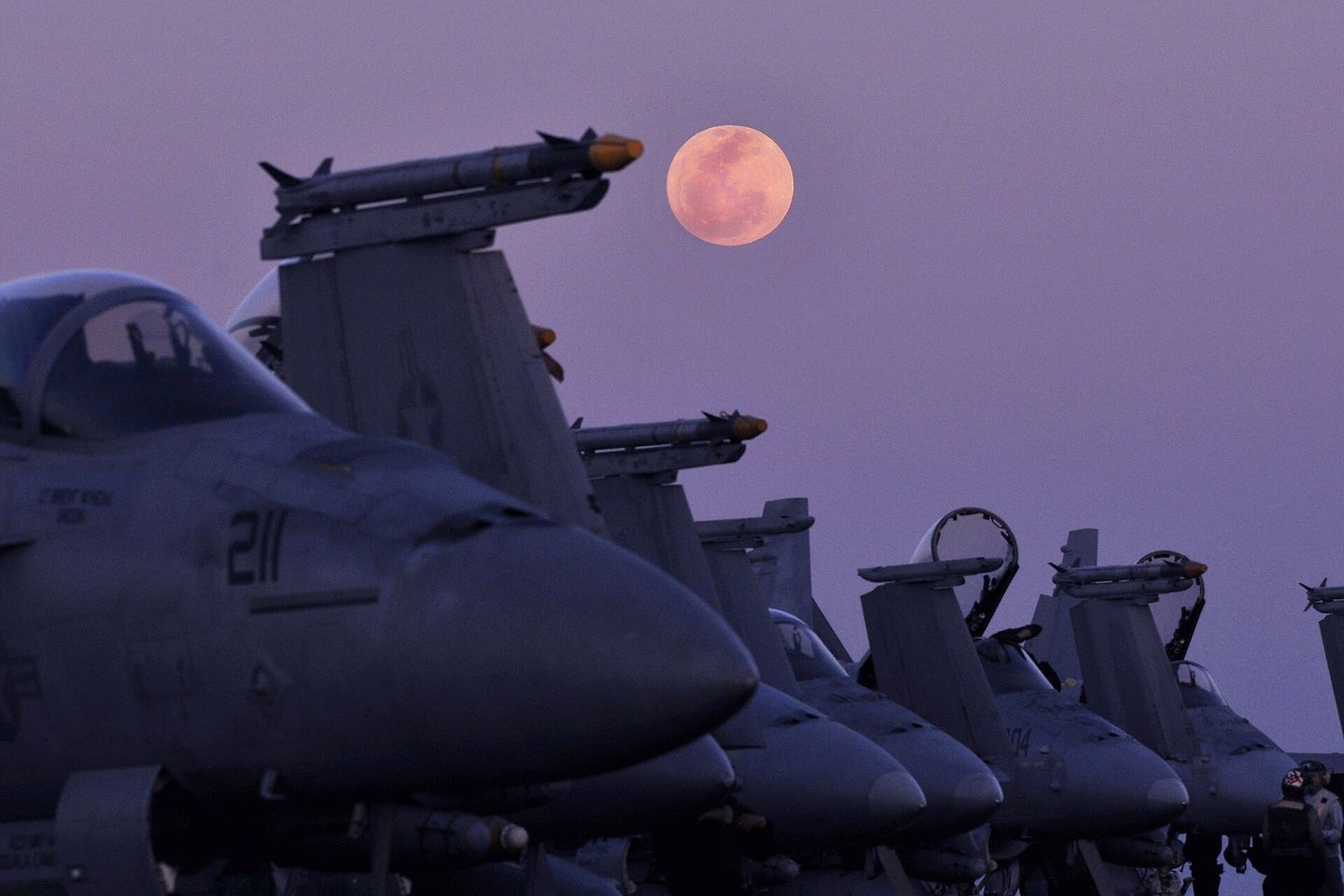
In March the President estimated that the war with Iran would take four to six weeks. On Sunday the commander of the 82nd Airborne Division wrote to families to say that the paratroopers sent to Central Command in the spring would now serve up to twelve months. “We do not share that lightly, and we understand that a longer tour weighs heavily on every household,” Major General Brandon Tegtmeier wrote. The war is in its seventh month.
Eighteen American service members have been killed and more than 750 wounded. Roughly 50,000 troops are on alert across the region. This is the outcome the movement that elected this administration was assured would not happen. The platform it ran on promised, in capital letters, to prevent a world war and to restore peace in the Middle East. The people who wrote that meant it. The people who voted for it certainly did.
The promise was to stop paying for other people's maps. Eighteen months in, the movement is redrawing them.
Sohrab Ahmari, who spent a decade making the case for conservative populism, offered the diagnosis in August: “The bitter truth, especially for those of us who once saw promise in conservative populism, is that the movement was always structurally vulnerable to this turn.” A politics organised around having an enemy will locate one abroad when the enemies at home turn out to be structural, expensive and slow to defeat. That is not a failure of individual nerve. It is what happens to a coalition whose economic programme was quietly set aside and never replaced.
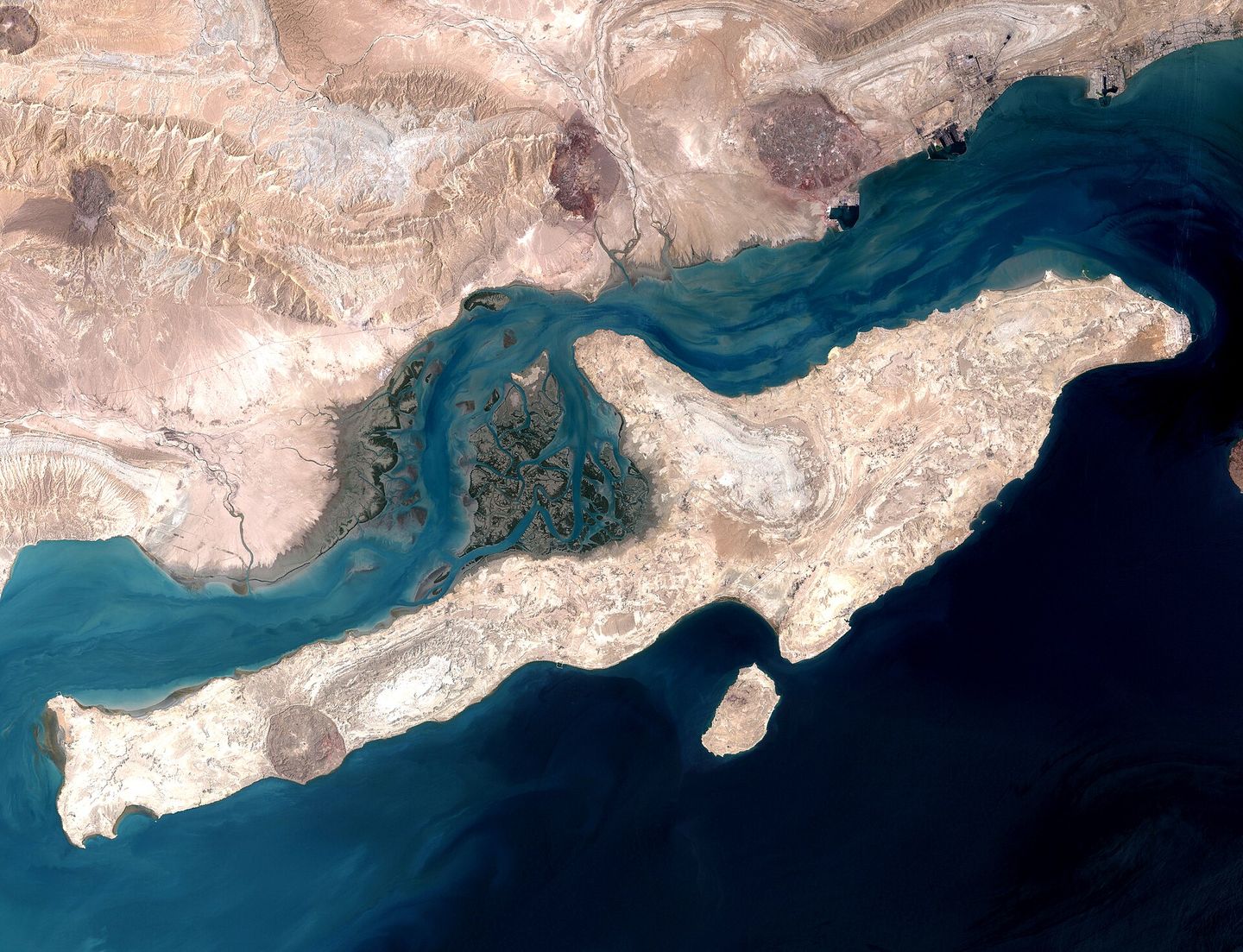
The price shows up where working people meet it. Retail petrol is forecast to average 3.78 dollars a gallon this year, and Brent touched 105 dollars a barrel on 23 July, because traffic through the Strait of Hormuz has been throttled since the spring. Every cent of that is a transfer out of a household budget into a strategy nobody was asked to approve. It is the most regressive tax the government levies and it appears on no bill.
Concede what has to be conceded. The Caracas raid was superbly executed, and the government it removed was a criminal enterprise. Cartel violence kills Americans, and a foreign policy that pretends otherwise is not serious. Restraint has never meant pacifism. It means the republic has finite blood and money and should spend both on threats to the republic. Jorge Heine drew the distinction cleanly: “Hegemony, of course, is one thing; dominance is another.”
Hegemony was cheap because it was mostly consent. Dominance is expensive because it is mostly garrison. Some 80,000 American troops are stationed in Europe alone, and the request for 2027 asks for 1.5 trillion dollars, the largest single-year defence figure since the Second World War, at a moment when the country is visibly deferring its own maintenance. The empire is being funded on the credit of a republic that cannot afford to keep deferring.
Greenland is where the argument stops being arguable. Eighty-six per cent of American voters told Quinnipiac in January that they opposed taking the island by force, including 68 per cent of Republicans. There is no America First case for annexing the territory of a NATO ally that has never once refused the United States a base. There is only the older case, the one this movement was formed to refuse: that a great power takes what is useful because it can.